My Cart0


Autism Sensory Overload: What You Should Know
Sensory overload or overstimulation can affect anyone, but children with autism, ADHD, or sensory differences often experience it far more intensely. Everyday sensations that might feel mildly irritating to others can become overwhelming, leading to irritability, anxiety, emotional distress, or even extreme fatigue.
But when families recognise the signs early and learn what triggers sensory processing issues, they can help create environments that feel safer, calmer, and more manageable for their child.
What Are Sensory Processing Issues?
Sensory processing is how the brain receives, interprets, and responds to sensory input from sounds, sights, textures, and smells. For some individuals, the brain processes these signals in a way that leads to sensory sensitivities or difficulties. This is often referred to as sensory processing disorder (SPD).
While SPD is not a formal medical diagnosis, it is a useful concept to understand certain behaviours and the need for tailored support. Children with sensory processing challenges may experience hypersensitivity, reacting strongly to sensory input, or hyposensitivity, showing reduced responsiveness. Unlike typical sensory experiences, these difficulties are chronic and can interfere with daily life, learning, and social interactions.
How Sensory Issues Relate to Autism
Sensory processing differences are common among autistic individuals and are included in diagnostic criteria. Current research suggests that variations in brain activity and neural connections in autistic individuals can contribute to differences in how they process sensory information.
Some studies also propose that increased activity or stronger connectivity in certain brain regions may be associated with sensory hypersensitivity, while reduced activity or weaker connectivity may be linked to hyposensitivity.
However, many of these studies involve small sample sizes, so the findings should be interpreted with caution.
Misinterpreted Behaviour and Sensory Responses
Unusual reactions to sensory input are sometimes misinterpreted by caregivers, educators, or peers. For example, a child may scream when water touches their face during bath time or throw a tantrum because a clothing texture feels uncomfortable. These responses are often misunderstood as behavioural problems, when in reality, they are a reaction to overwhelming sensory input.
Types of Sensory Input in Autism: Hypersensitivity vs Hyposensitivity
Sensory issues were first identified by occupational therapist, Dr Jean Ayres, in the 1970s. She introduced the idea that some individuals’ brains struggle to do what most people take for granted: seamlessly process information from seven senses, rather than the traditional five, to form a clear understanding of what is happening inside and around the body.
These internal sensory systems, such as the proprioception and the vestibular system, are critical in how the body interprets movement, balance, and spatial awareness. For many individuals with autism, differences in these internal senses contribute significantly to sensory challenges, leading to behaviours often misunderstood by others.
1. Hypersensitivity
For children who are proprioceptively hypersensitive, sensory input may feel too intense or confusing. This may lead to difficulty judging where their body is in relation to objects and appearing clumsy or frequently bumping into things, among others.
Because they struggle to sense the appropriate amount of pressure, tasks like holding a pencil, opening containers, or giving a “gentle” pat can become challenging.
2. Hyposensitivity
Children with autism who are proprioceptively hyposensitive may not register body position or pressure easily, which is what causes sensory seeking behaviours. Some examples of sensory-seeking behaviours include touching everything, playing rough without realising it, or jumping, running, or crashing into cushions.
What Are the Sensory Processing Issues with Autism?

For individuals with autism and sensory processing issues, overstimulation presents as various physical responses triggered by intense or unexpected sensory input. Because sensory experiences are highly individual, each person may have their own specific triggers and ways of responding. Examples of physical responses to sensory stimuli include:
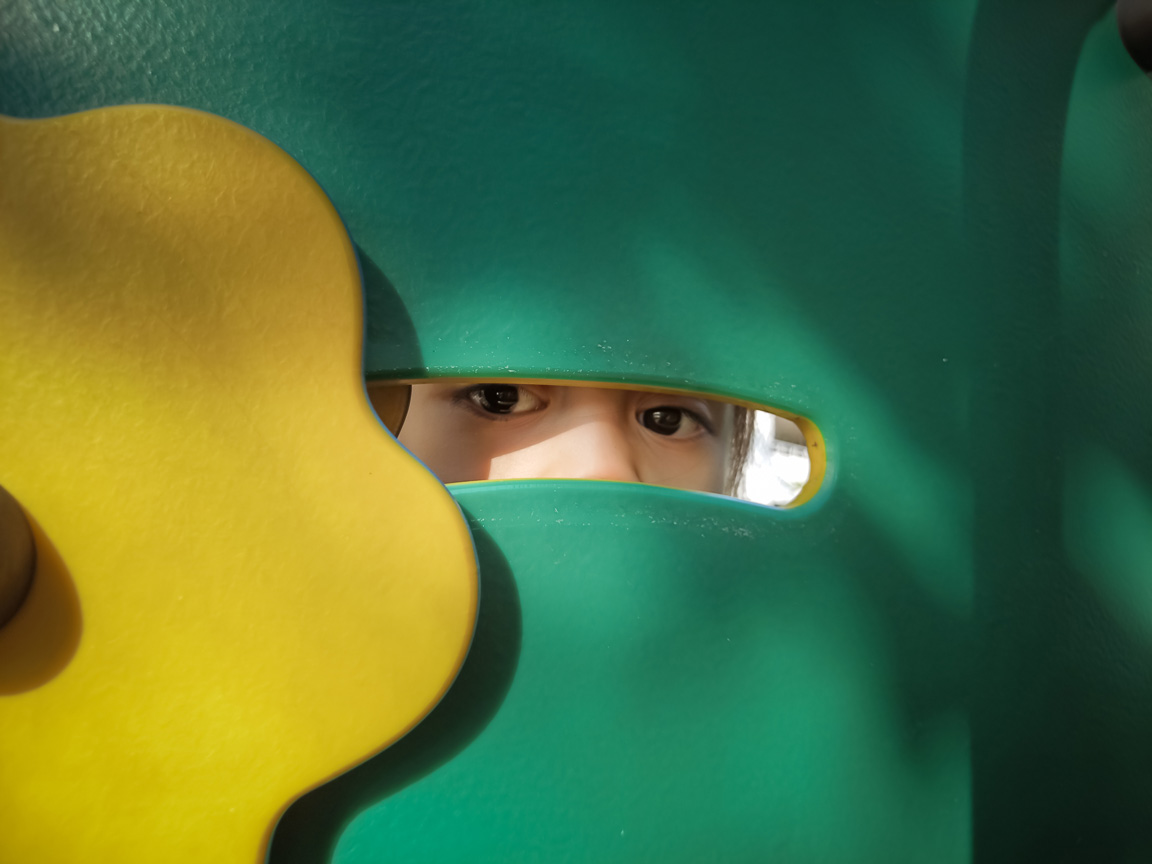
- Noise Sensitivity: Covering the ears, seeking a quieter space, or showing signs of agitation or anxiety when exposed to loud or unexpected sounds. For instance, some children may hide in an enclosed space to escape noise, while others may rely on noise-cancelling headphones in places like cinemas.
- Visual Discomfort: Shielding or closing the eyes due to bright or fast-moving visuals, which can make it difficult to stay focused or comfortable in their environment.
- Texture and Smell Aversion: Avoiding certain foods, reacting strongly to specific scents such as perfumes, or refusing to touch certain fabrics like Lycra due to discomfort.
Recognising the Context of Sensory Behaviours
Knowing the context of sensory behaviours is essential in distinguishing between typical and atypical responses.
Differentiating Typical vs. Atypical Behaviour
Some sensory-related actions are part of typical childhood development. Hand flapping during excitement, spinning during play, or fidgeting while sitting still are behaviours seen in many children. These responses are usually brief, situational, and easy to redirect.
However, when behaviours become frequent, intense, repetitive, or difficult to interrupt, they may point to sensory processing difficulties. For example:
- Frequently running into objects or appearing unusually clumsy
- Feeling discomfort or irritation when wearing specific fabrics or types of clothing
- Gagging or struggling with foods that have certain textures
- Strong reactions to sudden movements, unexpected touch, loud sounds, or bright lights
Developmental Considerations
Persistent sensory behaviours that continue beyond typical developmental stages, or intensify over time, can serve as a red flag for further assessment. As such, early recognition is essential to ensure timely support and intervention.
When to Be Concerned About Sensory Behaviour
Professional attention may be warranted if:
- The behaviour hinders daily tasks or prevents the child from engaging in their environment.
- The behaviour leads to self-inflicted injury.
- The behaviour occurs frequently alongside developmental delays or social interaction challenges.
Should I Try to Stop the Behaviour?
Sensory behaviours serve a functional purpose and often act as coping mechanisms for managing stress or anxiety. The goal is not to eliminate these behaviours but to understand their purpose and create a supportive environment that allows the child to thrive while safely exploring their sensory world.
How to Support a Child with Sensory Challenges
With these practical strategies, you can help children navigate sensory experiences while promoting comfort and independence.
1. Identifying Triggers and Modifying the Environment
Observing which stimuli provoke stress allows parents and caregivers to make adjustments. Strategies may include dimming lights, using noise-cancelling headphones, avoiding strong odours, or providing sensory-friendly clothing.
2. Providing Alternative Outlets
Children with autism who have hyposensitivity traits may benefit from more stimulation. Should this be the case, consider allowing them to use safe fidget toys, play in sensory-friendly play areas or have movement breaks.
3. Seeking Professional Support
Early intervention and guidance from an autism spectrum therapist or other specialists in early childhood intervention in Singapore can provide individualised strategies. Professionals, including occupational therapists and speech therapists, can design tailored programmes to support sensory regulation, promote adaptive behaviours, and improve participation in daily activities.
Give Your Child the Support They Need to Cope with Sensory Issues
Sensory processing differences are a common aspect of autism, affecting how children perceive and respond to their environment. Getting more information about autism sensory overload, recognising the context of behaviours, and implementing supportive strategies are crucial for helping children manage sensory challenges.
With the right support, children can learn to manage sensory sensitivities, build stronger coping skills, and participate more comfortably in daily routines at home, in school, and in the community. Early guidance, together with a nurturing, patient environment, helps them thrive emotionally, socially, and academically.
If you need professional support in helping your child cope with sensory sensitivities or other challenges related to autism, Exploring Mates is here to help. Our autism spectrum therapists provide personalised early childhood intervention plans designed to help children navigate their environment successfully. From autism therapy to shadow support and school readiness programmes, we work closely with families to ensure every child receives the tools and guidance they need to grow with confidence.
For insights into autism, check out our guide on how meltdowns affect kids with autism and autism masking.